Gruper NBR Ekstra Kalın Yoga Matı
An Extra-Thick Cushion For Floor Work
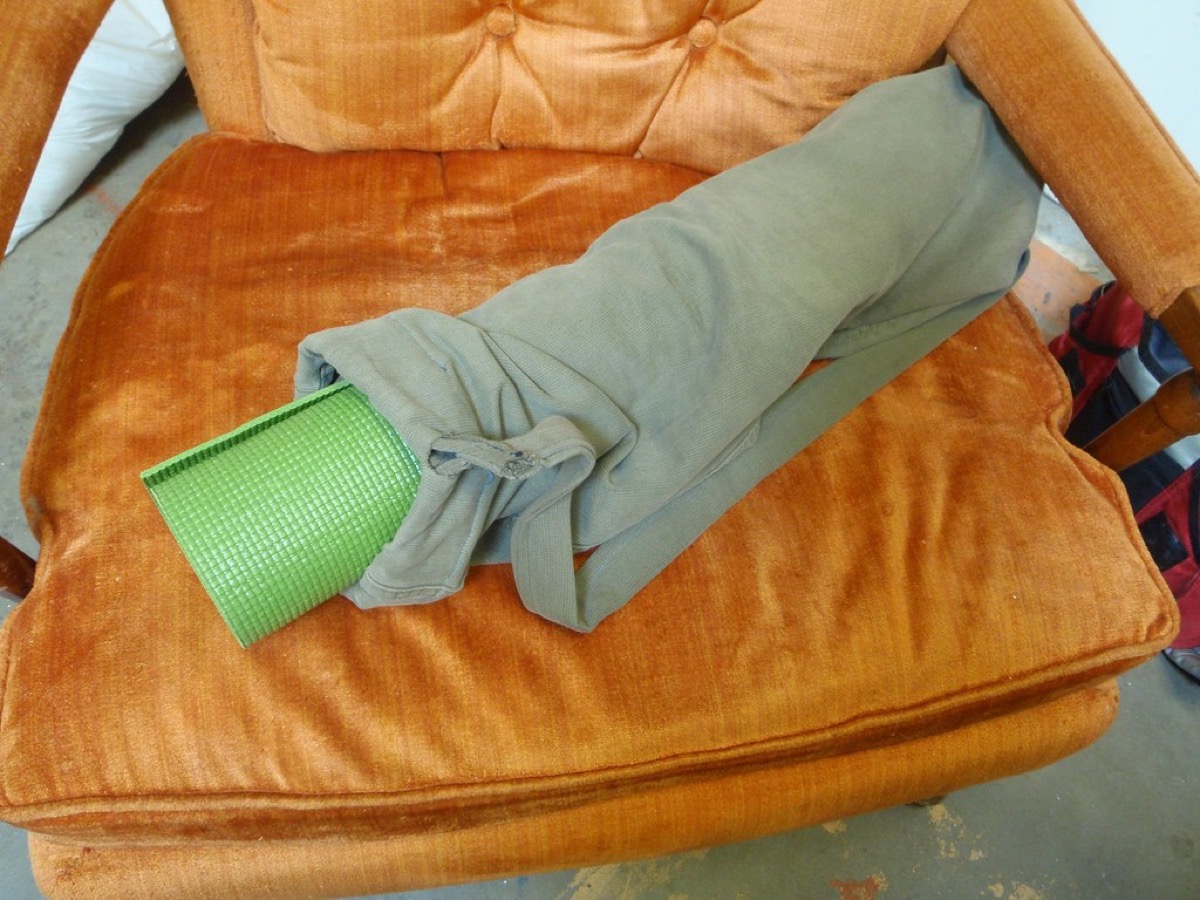
The Gruper NBR Extra Thick Yoga Mat takes a very different tack from slim studio mats. Built from NBR foam, a nitrile butadiene rubber blend prized for its softness, it stretches to roughly a centimeter, and in some listings up to 15mm, of cushioning. That places it firmly in the high-comfort camp, designed less for balance-heavy vinyasa and more for floor exercises, stretching, and general home workouts where padding matters most. It ships with both a carrying strap and a bag, signaling that Gruper expects owners to move it between rooms or take it along to a gym.
NBR is the defining ingredient. It is a closed-cell foam that feels plush and springy underfoot, insulates well against cold hard floors, and resists tearing better than the cheapest EVA pads. The trade-off, which we will return to, is that softness and stability pull in opposite directions. For its intended jobs, though, planks, glute bridges, core work, kneeling stretches, and physiotherapy-style routines, reviewers consistently describe the extra thickness as a genuine comfort upgrade over a standard 4-to-6mm mat, especially for anyone with sensitive knees, elbows, or a bony spine.
Comfort, Thickness, And Build
The obvious draw is the cushioning. At around 1cm and up, the Gruper NBR Extra Thick Yoga Mat review consensus is that it noticeably reduces pressure on joints during any pose that puts bodyweight on a small contact point. Owners doing physical-therapy exercises, ab routines, or long stretching sessions single this out as the reason they chose it. The foam compresses and rebounds rather than staying flattened, so the padding feels consistent set after set. For floor-based training, that generous give is the whole point, and it is the feature buyers mention most often.
Tear resistance is the second headline. NBR holds together better than brittle foams when you tug it, roll it repeatedly, or drag it across a floor, and the manufacturer states the surface is designed to withstand regular use. Reviewers who have owned theirs for months tend to report that the mat resists the flaking and crumbling that plague bargain foam pads. The textured surface also aims to provide traction, and for slow, controlled floor work it generally does, keeping hands and feet from sliding during planks, bridges, and kneeling stretches.
The complete package is worth noting. Alongside the mat, Gruper includes a carrying strap and a storage bag, so transport and storage are covered out of the box rather than as extra purchases. The mat is light for its size because foam is far less dense than rubber, which makes the full-length roll easy to sling over a shoulder. Little details like a bundled bag rarely make headlines, but they reduce the friction of actually using the mat regularly, and several owners cite the accessories as a pleasant surprise at the price.
The Right User For This Mat
This mat is built for people whose routines live close to the floor. If you spend your sessions on your back, your knees, or your forearms, core circuits, pilates-style mat work, stretching, foam-rolling recovery, or guided physiotherapy, the deep NBR cushion is a clear ally. It is equally at home under a regimen of bodyweight exercises, and parents often mention using it for post-natal recovery routines. Anyone who finds that a thin mat leaves their tailbone or knees aching will likely see the appeal of this one almost immediately.
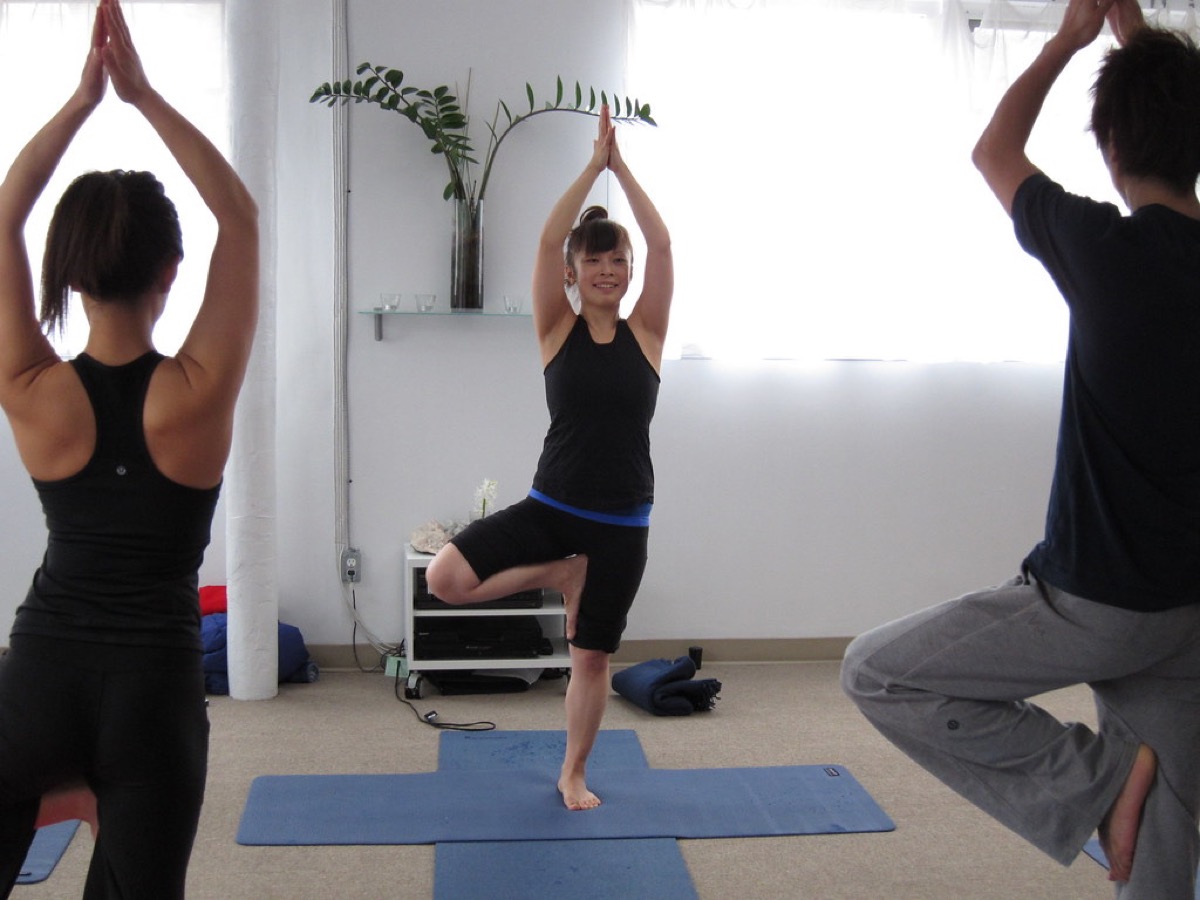
It is a poorer match for balance-intensive yoga. Because the thick foam compresses underfoot, standing postures and single-leg poses feel less stable than they would on a firm 5mm mat, and dedicated yogis sometimes find the surface too soft for tree pose or warrior sequences. If your practice is mostly standing flow, a thinner mat is the wiser buy. Recognizing that the Gruper NBR is a cushioning-first exercise mat, not a precision yoga surface, is the key to being genuinely happy with it over the long term.
Compromises To Keep In Mind
The softness that defines this mat is also its main limitation. Deep foam and stable standing balance are fundamentally at odds, so the very cushioning that pampers your knees can make certain yoga poses feel wobbly. The surface is also more susceptible to dents from concentrated pressure, a knee or an elbow held in one spot, though NBR generally rebounds over time. And because it is thick, it rolls into a bulkier cylinder than a slim mat, so it takes up more space in a closet, a car trunk, or a small apartment.
Traction is another honest caveat. NBR grips reasonably for slow floor work, but it is not as tacky as a rubber yoga mat, and under fast, sweaty movement some reviewers note a little slide. The closed-cell foam does not wick moisture either, so a towel helps during intense sessions. Finally, as with many foam mats, a faint initial smell can be present out of the box; owners typically report it airs out within a few days of unrolling, but scent-sensitive users should simply be aware of it in advance.
Care, Storage, And Daily Use
Day-to-day upkeep is straightforward. The closed-cell foam means sweat and spills stay on the surface, so a wipe with a damp cloth and a gentle cleaner handles routine cleaning. Owners recommend avoiding soaking or machine washing, which can waterlog or deform foam, and suggest airing the mat out before rolling it away. Because it is thick, it is best stored loosely rolled with the included strap rather than folded, which can crease the foam. Kept that way, reviewers report it holds its shape and comfort well over long-term use.
In everyday practice, the mat's insulating quality is an underrated perk. On cold tile or a garage floor in winter, the NBR layer keeps the chill from seeping through, which makes early-morning or basement workouts far more inviting. The bundled bag makes it simple to stash the mat out of sight between sessions or carry it to a class, and the lightweight roll is easy for most people to manage one-handed. These are the quiet conveniences that turn a mat from a one-time purchase into a lasting habit.
Where It Lands In The Market
Among extra-thick exercise mats, the Gruper competes on the strength of its cushioning-to-price ratio and its included accessories. Compared with a standard yoga mat it is a specialist comfort tool, and compared with a gym floor mat it is more portable and pleasant against the skin. Rivals exist at similar prices, but the bundled strap and bag, plus NBR's reputation for tear resistance, help this one stand out. Its standing reflects broad satisfaction tempered by the predictable grumbles from buyers who really wanted a firmer yoga surface.
Weighed as a whole, the message of this Gruper NBR Extra Thick Yoga Mat review is consistency of purpose: it is a joint-friendly, floor-focused cushion that does exactly what its extra thickness promises. Choose it for stretching, core work, physiotherapy, and home strength routines, and it is an easy recommendation. Ask it to anchor a standing yoga practice and it will frustrate you. Buy it for the right reasons, comfort under bodyweight on hard floors, and it delivers dependable value with a thoughtfully complete package.
Bir bakışta
Artılar
- Roughly 1cm (up to 15mm) of NBR foam cushions knees, elbows, and spine during floor exercises and long stretching sessions.
- Tear-resistant NBR resists the flaking and crumbling that affect cheaper foam mats over time.
- Includes both a carrying strap and a storage bag, so transport and storage are covered out of the box.
- The foam layer insulates against cold hard floors, making early-morning or garage workouts more comfortable.
Eksiler
- The soft, thick foam compresses underfoot, making standing and balance yoga poses feel less stable.
- Traction is only moderate and the closed-cell surface does not wick sweat, so a towel helps in intense sessions.
- The thick build rolls into a bulkier cylinder that takes up more storage space than a slim mat.
Sıkça sorulan sorular
Is the Gruper NBR mat good for standing yoga poses?
It is best suited to floor-based work rather than balance-heavy standing yoga. The thick foam compresses underfoot, so poses like tree or warrior can feel unstable; a firmer, thinner mat is better for a standing practice.
How thick is the mat?
It measures roughly one centimeter, with some listings citing up to 15mm. That generous cushioning is the mat's main selling point and is aimed at protecting joints during kneeling, seated, and lying exercises.
Does it come with any accessories?
Yes. Gruper includes a carrying strap and a storage bag, so you can roll, secure, and transport the mat without buying extras. The lightweight foam makes the full roll easy to carry to a class or gym.
Teknik Özellikler
| Material | NBR (nitrile butadiene rubber) foam, closed-cell |
| Thickness | Approx. 1 cm (up to 15 mm) |
| Surface | Textured, tear-resistant |
| Best For | Floor work, stretching, core, home workouts |
| Cushioning | High-rebound, joint-friendly foam |
| Included Accessories | Carrying strap and storage bag |
| Portability | Lightweight foam; rolls for transport |
| Care | Wipe clean; avoid soaking or machine washing |
Özet
A cushioning-first exercise mat best for floor work, stretching, and home strength routines; skip it if you want a firm surface for standing yoga, but choose it for real joint comfort on hard floors.
Amazon'da Fiyatı Kontrol Et