Gruper Non-Slip Eco Yoga Mat
What The Gruper Eco Mat Is
The Gruper Non-Slip Eco Yoga Mat belongs to a growing class of studio-style mats built around thermoplastic elastomer, or TPE, rather than the PVC that dominated the category for years. The manufacturer positions it as an everyday practice surface for yoga and pilates, with a roughly 6mm profile that sits between an ultra-thin travel mat and a heavily cushioned floor pad. It arrives rolled with a carrying strap, and its most visible selling points are a double-sided textured surface and a set of printed alignment lines. On paper it reads as a sensible, mid-price choice for home practitioners who want a dependable everyday mat.
TPE is the detail worth dwelling on, because it shapes almost everything owners notice. The material is lighter than rubber, free of the vinyl smell many first-time buyers dread, and recyclable at end of life, which is why brands market it as eco-friendly. Gruper leans into that framing, and reviewers frequently mention that the mat has little to no chemical odor out of the box. It is not a lab-tested claim we can independently verify, but the pattern of verified-owner feedback is consistent enough that low off-gassing appears to be a genuine strength rather than marketing gloss.
Grip, Cushioning, And Alignment Lines
The headline feature is the double-sided non-slip texture. Both faces carry a subtly different pattern, so one side tends to grip the floor while the other grips your hands and feet, a design reviewers say helps the mat stay put during flowing sequences. Anyone who has fought a sliding mat during downward dog will appreciate the intent. The manufacturer states the surface resists slipping even during warmer, sweatier sessions, though owners note that heavy perspiration can still reduce traction on any closed-cell mat, this one included. For most home yoga and gentle pilates, the grip is described as dependable.
Cushioning comes from the roughly 6mm thickness. That figure is a deliberate middle ground: enough padding to spare your knees and wrists during kneeling poses, but not so much that you lose the floor connection needed for balance work. Standing postures feel stable because the mat compresses only modestly, and reviewers who tried thicker foam alternatives often say they returned to a 6mm profile for exactly this reason. It is a thickness that flatters general practice more than it favors any single discipline, which suits a mat aimed at people who move between yoga, stretching, and light strength work.
The printed alignment lines are the third pillar of the design. A central spine and symmetrical markers give newer practitioners visual cues for squaring the hips, spacing the hands, and keeping poses even from left to right. Experienced yogis may ignore them entirely, but for self-taught home users following videos, several reviewers describe the guides as a quietly useful teaching aid. They are printed rather than embossed, so they add no texture and, owners report, hold up well to normal use without fading quickly. It is a small touch that reinforces the mat's beginner-friendly positioning.
Who It Suits Best
This is a mat for the home practitioner more than the dedicated studio athlete. If your routine is a mix of yoga flows, pilates, morning mobility, and the occasional stretching session in a living room or spare bedroom, the Gruper Non-Slip Eco Yoga Mat review consensus suggests it covers that ground comfortably. The alignment lines court beginners, the modest weight suits anyone who rolls and stores the mat between sessions, and the included strap makes it easy to carry to a class or a friend's house. It is squarely a generalist, and it is comfortable in that role.
It is less obviously aimed at hot-yoga devotees or people who practice on hard, unforgiving floors for long, high-impact sessions. Those users often want either a specialized sweat-wicking towel-topped mat or a substantially thicker pad, and the 6mm TPE build is not trying to be either. For travelers, the mat packs down reasonably but is not a featherweight folding model. Understanding that Gruper aimed at the broad middle of the market, reliable everyday practice rather than any extreme, helps set expectations correctly and explains much of the positive but measured owner feedback.
Trade-Offs Worth Weighing
No mat at this price is without compromise, and the honest caveats are familiar to the TPE category. Closed-cell foam does not absorb moisture, which keeps it hygienic but means grip can slacken under heavy sweat unless you lay a towel over it. A few owners also mention that very intense, pivot-heavy workouts can leave temporary compression marks, though these typically relax out. As with most lightweight mats, extremely tall users may find the standard length a touch short for full-body poses, so checking the stated dimensions against your height is worth a moment before buying.
Durability is the other area to watch. TPE is resilient but softer than natural rubber, so dragging the mat across rough surfaces or using it under shoes for weighted training can scuff the texture over time. Reviewers who treat it as a yoga and pilates surface report long, trouble-free use, while the minority of complaints tend to come from people asking it to double as a gym floor mat. Matching the mat to its intended purpose is the single biggest predictor of satisfaction, and it is a distinction the marketing could arguably make clearer.
Everyday Care And Handling
Living with the mat is refreshingly low-effort. Because the surface is closed-cell, spills and sweat sit on top rather than soaking in, so a wipe with a damp cloth and a mild, diluted cleaner is usually all it needs. Owners advise against harsh solvents or machine washing, which can degrade any TPE mat, and recommend letting it air-dry flat or draped before rolling. Stored rolled with the included strap, it takes up little closet space, and reviewers note that it tends to lie flat quickly after unrolling rather than curling stubbornly at the corners.
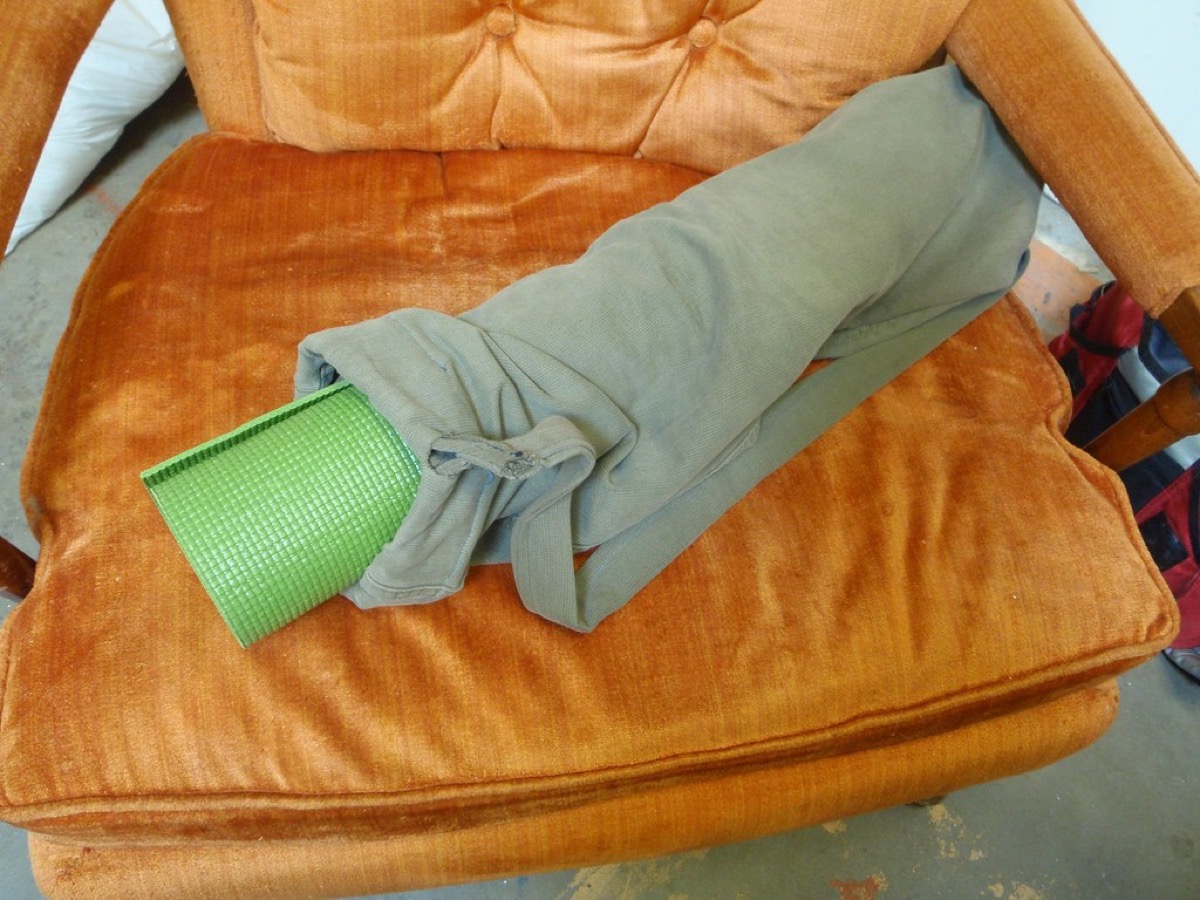
The carrying strap deserves a mention because it is the kind of accessory that is easy to overlook until you need it. It doubles as a tie to keep the roll compact and as a shoulder sling for the walk to a class. It is a simple elasticated loop rather than a padded bag, so heavy daily commuters may eventually want a dedicated carrier, but for occasional transport it does the job well. Small conveniences like this are part of why the mat reads as thoughtfully specified for its modest price bracket.
How It Stacks Up
Placed against the wider market, the Gruper sits in good company among affordable TPE mats that prioritize grip and eco credentials over premium branding. Compared with a thin travel mat it offers noticeably more joint protection, and compared with a chunky 10-to-15mm foam pad it trades some cushioning for stability and portability. Against pricier studio rubber mats it gives up a little longevity and that dense, planted feel, but it also costs a fraction as much and skips the rubber smell. For the money, the balance it strikes is easy to recommend.
If you weigh the whole picture, the takeaway from this Gruper Non-Slip Eco Yoga Mat review is a mat that knows exactly what it is: a versatile, low-odor, sensibly cushioned surface for home yoga and pilates, dressed up with genuinely helpful alignment lines and a fuss-free carrying strap. It will not satisfy the hot-yoga specialist or the CrossFit convert, and it is not a lifetime heirloom. But as an approachable, environmentally minded everyday mat, it earns its steady reputation and suits the majority of home practitioners looking for reliable value.
At a glance
Pros
- Double-sided non-slip texture keeps the mat planted on the floor and grippy underfoot during flowing yoga and pilates sequences.
- TPE construction is recyclable and, owners consistently report, largely free of the chemical odor common to cheaper PVC mats.
- Printed alignment lines give beginners clear visual cues for squaring poses and spacing the hands and feet.
- Roughly 6mm of cushioning protects knees and wrists while keeping enough floor feel for balance work, and it includes a carrying strap.
Cons
- The closed-cell surface does not wick moisture, so grip can loosen during heavy, sweaty sessions unless you add a towel.
- Softer TPE can scuff if used for weighted or shoe-based training rather than mat-based practice.
- The standard length may feel a little short for very tall users during full-body poses.
Frequently asked questions
Is the Gruper Eco mat suitable for hot yoga?
It can be used for warm practice, but like most closed-cell TPE mats it does not absorb sweat. Owners who practice hot yoga often lay a towel on top to maintain grip as perspiration builds during a session.
How thick is the mat and is that enough cushioning?
The mat is roughly 6mm thick, a middle-ground profile. It offers meaningful padding for knees and wrists while retaining the stability needed for standing and balance poses, which suits general yoga and pilates.
How do I clean and store it?
Wipe the surface with a damp cloth and a mild, diluted cleaner, then let it air-dry flat before rolling. Store it rolled with the included strap, and avoid harsh solvents or machine washing to protect the TPE.
Specifications
| Material | TPE (thermoplastic elastomer), closed-cell |
| Thickness | Approx. 6 mm |
| Surface | Double-sided non-slip texture |
| Alignment Guides | Printed body-alignment lines |
| Best For | Yoga, pilates, stretching, mobility |
| Portability | Lightweight; rolls with included strap |
| Included Accessories | Carrying strap |
| Care | Wipe clean with damp cloth and mild cleaner |
The bottom line
A sensible, low-odor everyday mat for home yoga and pilates practitioners who want dependable grip and beginner-friendly alignment lines without paying studio-rubber prices.
Check Price on Amazon